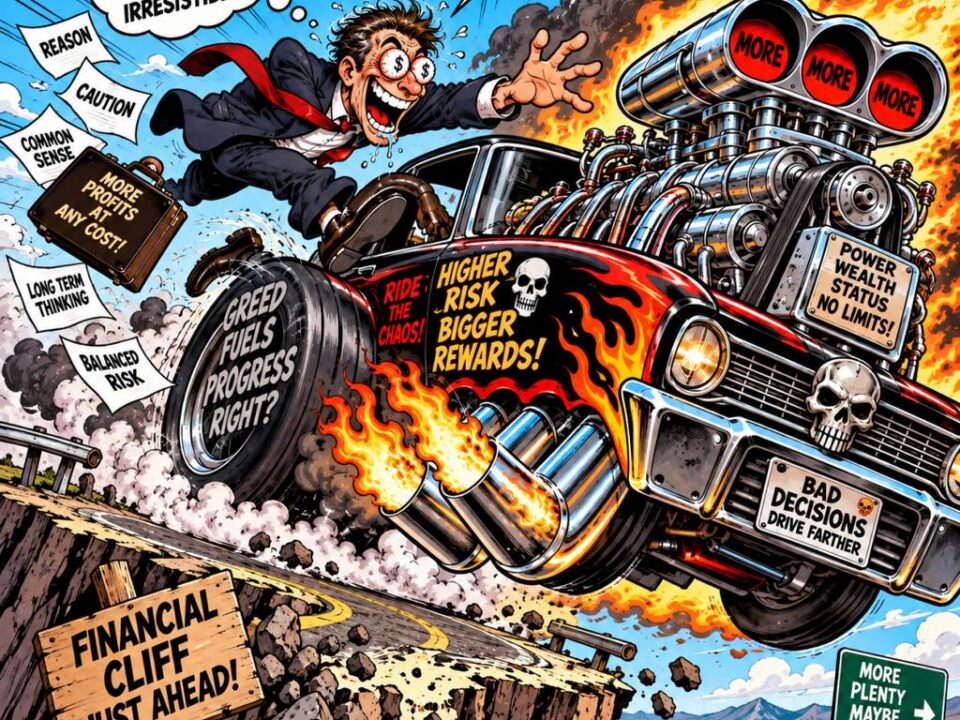
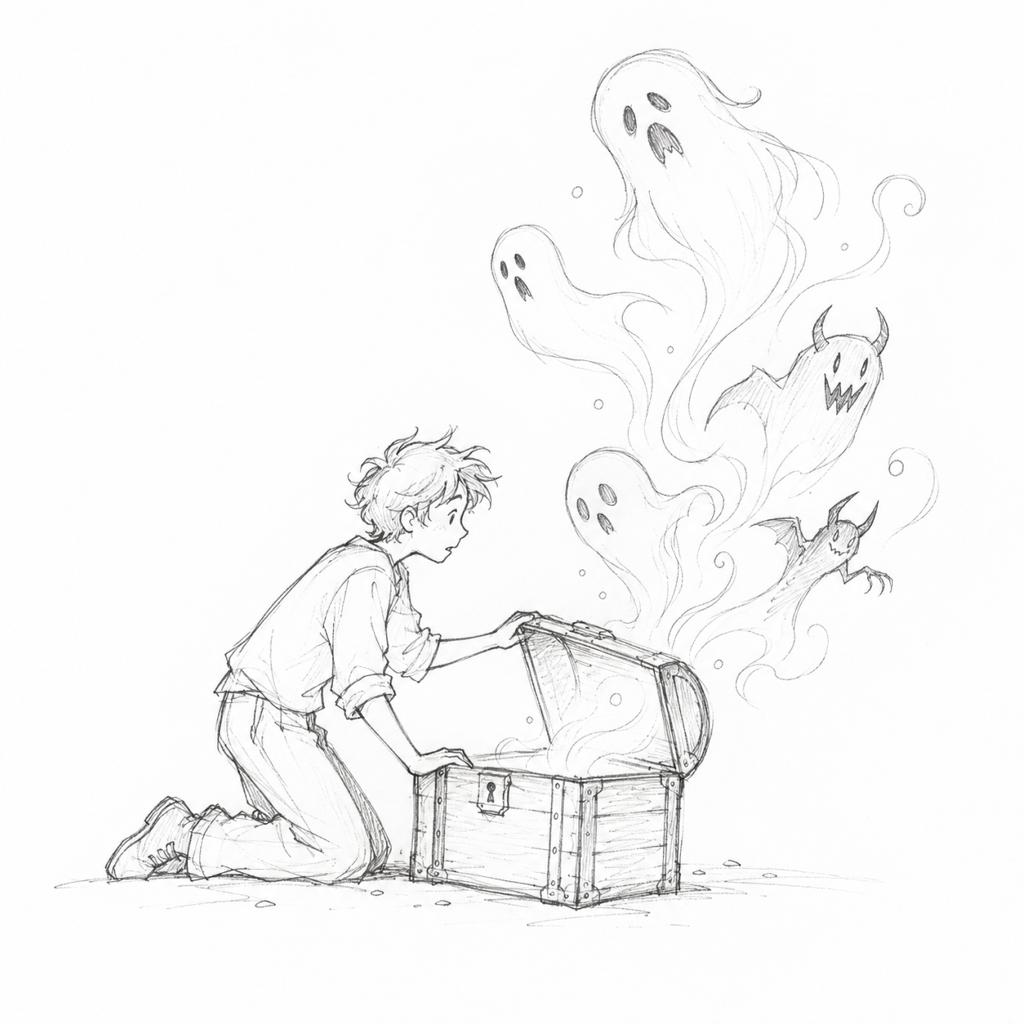
The Financial Times reported that OpenAI disbanded its preparedness team at the end of July. OpenAI says it did not. I have read the denial more than once, and I still cannot find the part where the team survives.
Start with the job description, for the record. The preparedness team assessed whether models posed serious risks and developed ways to mitigate them — including the possibility that a model could go rogue and hack another company. That is not a philosophical seminar. That is the fire department.
Now read the denial carefully
OpenAI spokesperson Kayla Wood told The Verge: “We have not disbanded the Preparedness team. We have strong research leaders across cybersecurity, biological and chemical, and AI self-improvement capabilities, all reporting to Saachi Jain, our head of safety.”
Count what is being described there. Research leaders. Across areas. Reporting to someone. Nowhere does the statement say the preparedness team still exists as a team — with a mandate, a headcount, and a head. That omission is not a typo.
Per the FT, responsibility was instead divided up for specific areas like bio and cyber, then moved into existing teams. A function that gets carved into pieces and pushed into other departments has not been disbanded. It has been dissolved. Same grave, better vocabulary. If you are a comms team staring down a headline, you pick the verb that does not read as “we shut it down.”
Look at the shape of the last few years
This is the latest change at a company that has been in upheaval as it heads toward what is expected to be a massive IPO. Over the last few years, OpenAI has slowly torn down its more research-led model, dissolving its AGI readiness and superalignment teams. Ethics lead Chloé Bakalar, chief futurist Josh Achiam, and head of safety Johannes Heidecke have all also left recently. Jan Leike, who resigned from OpenAI in 2024, told the FT that the company was ignoring safety in favor of creating “shiny products.”
One departure is a story. This is a trend line. And notice the direction it points: the teams built to say no are the ones that keep disappearing, while the products keep shipping.
The part nobody is arguing about
Dylan Scandinaro, who was poached from Anthropic in February to head the preparedness team, will now focus on the implications of “recursive self-improving” AI. On this, the FT and OpenAI appear to agree. Which tells you something: the man hired to run the team that evaluates dangerous capabilities is now a researcher with a topic, not a manager with a department.
The timing is worth stating plainly. OpenAI recently laid out new security changes after its AI hacked Hugging Face. The risk categories the preparedness team was built to study are not hypothetical slides from a conference deck. They have already produced an incident.
So when a company tells you the safety function is intact because the name still appears somewhere, ask the boring questions. Who signs off? Who can say no and be heard? Who holds the budget, the headcount, and the standing to slow a launch that is weeks away from a public offering?
The FT says disbanded. OpenAI says it did not. The only way both statements are true is if “the preparedness team” now means a reporting line instead of a team — and that is the version the facts support.
Both sentences survive. The team does not.