Brainrot: Literally Brain Rot
08/01/2025
Google vs Italian Tax Authority: 365 Million Instead of 1 Billion
20/02/2025
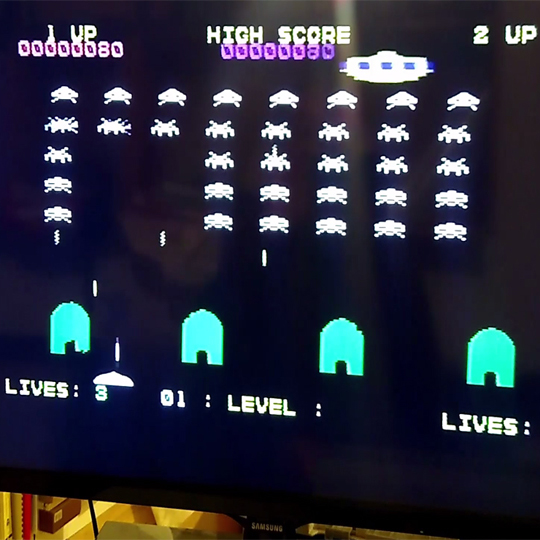
Video games from the 1980s, like Space Invaders or Pac-Man, do not create addiction, especially compared to modern online games (let’s say from 2017 onwards…), for several reasons.
The graphics and gameplay were simple and designed for short gaming sessions, without the Internet or social elements that today encourage online competition and collaboration. Rewards were limited to high scores or subsequent levels, without the complex progression systems or microtransactions present in current games. Moreover, modern video games exploit psychological techniques and algorithms to retain players, and are accessible everywhere on different platforms, unlike 1980s games, which were limited to arcades or home consoles.
Spending a limited time in front of a 1980s video game is comparable to watching a cartoon in terms of addiction. Both offer brief and self-contained entertainment, without complex progression systems or rewards that encourage a return. They do not include a significant social component nor do they exploit advanced psychological strategies to retain the user, instead focusing on simple and momentary engagement.
Let’s take an example, let’s set a rule “20 minutes only on Saturday and Sunday”. These periods are too short to trigger the reward cycles or overexposure that can promote addiction. The limited frequency prevents the formation of a daily habit, which is often the first step towards addiction.
Parental presence is essential to ensure that content is age-appropriate and to intervene if excessive involvement or negative behavioral changes are noticed. Video games and cartoons, if carefully selected, can offer learning opportunities, stimulate creativity, and strengthen family bonds if experienced together. For example, parents can comment on cartoons or play with children, making the experience interactive and not purely passive.
Another fundamental aspect is that video games or cartoons do not replace other activities essential for development, such as physical play, reading, or interaction with peers. It is also essential that content is age-appropriate, both for the message conveyed and for the level of stimulation (for example, avoiding overly fast-paced games or cartoons with unsuitable themes).