How Much Does Google Advertising Cost in 2023?
08/03/2023
How Often Should You Post on Social Media in 2023? Post Frequency and Tips.
11/04/2023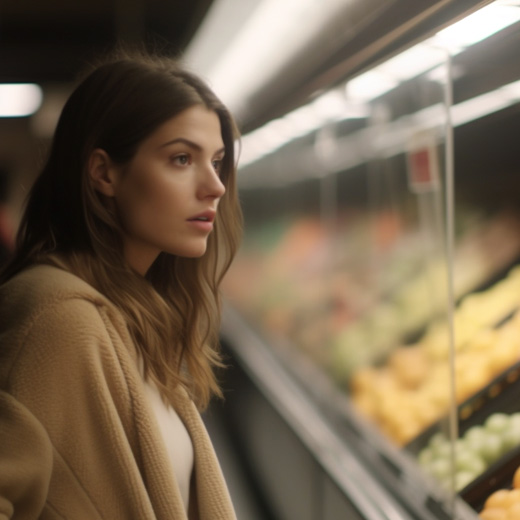
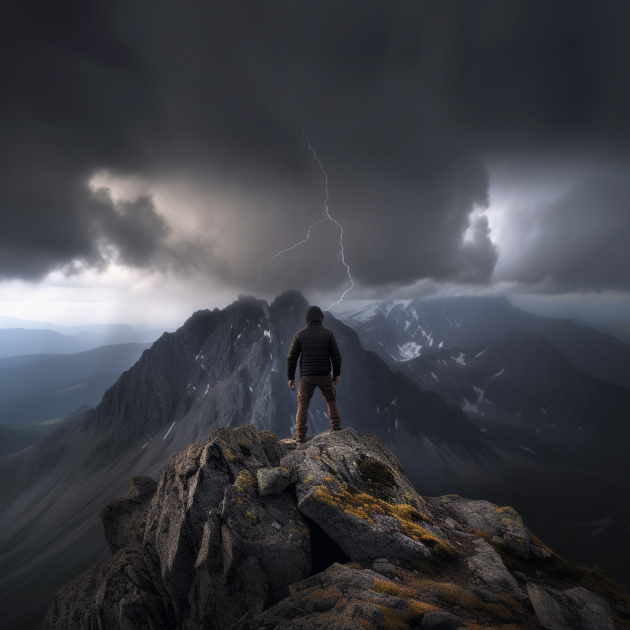
In many cases, it could be difficult to distinguish an image created by artificial intelligence from a photograph taken with a traditional camera. For example: is the image associated with this article taken by a DSLR? Or is it generated? There are some signals that could suggest the origin of the image.
Image Quality: images generated by artificial intelligence might have lower quality compared to those taken with a smartphone or DSLR camera. This can depend on the limitations of the AI algorithm or the technology used to generate the image. Images taken with a high-end smartphone, such as latest-generation smartphones, could have very similar or even superior quality compared to images taken with a low-end DSLR camera. However, high-end DSLR cameras tend to have superior image quality, with higher resolution, wider dynamic range, and better noise handling capability. Image quality depends on the technology used, but images generated by artificial intelligence might have lower quality compared to images taken with a high-quality traditional camera.
Image Content: images created by artificial intelligence could have unusual or improbable content, such as a face that seems a bit too perfect or a landscape with strange or unrealistic elements. By “face too perfect” we mean an image generated by artificial intelligence in which the face appears too symmetrical or lacks the defects and imperfections typical of reality. In other words, the image might seem too “artificial” or “plastic” to be a real photograph. Artificial intelligences trained to generate human faces can use image generation techniques that create faces with symmetrical proportions and characteristics, with smooth and uniform skin and without wrinkles or other signs of aging. However, these traits might not correspond to reality and therefore make the image easily distinguishable from an actual photograph.
Image Metadata: the data associated with the image, such as the date and time of capture and camera information, could provide clues about the origin of the image. If the metadata indicates that the image was taken with a camera that does not exist or in a place where it is not possible to take photos, it could be a signal that the image was generated by artificial intelligence. It is important to note that the absence of discrepancies in metadata does not guarantee image authenticity. For example, a malicious user could have generated a new image from the original using image editing software and then manipulated the metadata to make it appear that the image was taken in a different place or time than the actual one.
Image Style: some artificial intelligences have been trained to generate images in a specific artistic style. In this case, it might be possible to recognize the origin of the image based on the style in which it was created. Artificial intelligence trained to generate images has learned to create images following a predefined pattern. This means that images produced by AI can have a repetitive or uniform style, while images taken by a human photographer will have a more varied and personal style. Artificial intelligences trained to generate images can be programmed to follow certain aesthetic models, such as for example using symmetrical compositions, bright and saturated colors, etc. These aesthetic traits can make the AI-generated image seem too “perfect” or “artificial”. While a human photographer can choose the subject, angle, and composition of the image in an intuitive and creative way, AI follows an image generation process based on algorithms and machine learning techniques. As a result, the AI-generated image can appear less “natural” and less “original” compared to that taken by a human photographer. The style of an AI can be distinguishable from that of a human being in that it can seem repetitive or uniform, follow predefined aesthetic patterns, and lack originality compared to that of a human photographer.
There is therefore no universal method to distinguish images created by artificial intelligence from those taken with a camera. The suggestions mentioned above could help to distinguish the real one from the fake one.